inquiry
Leave Your Message
0%

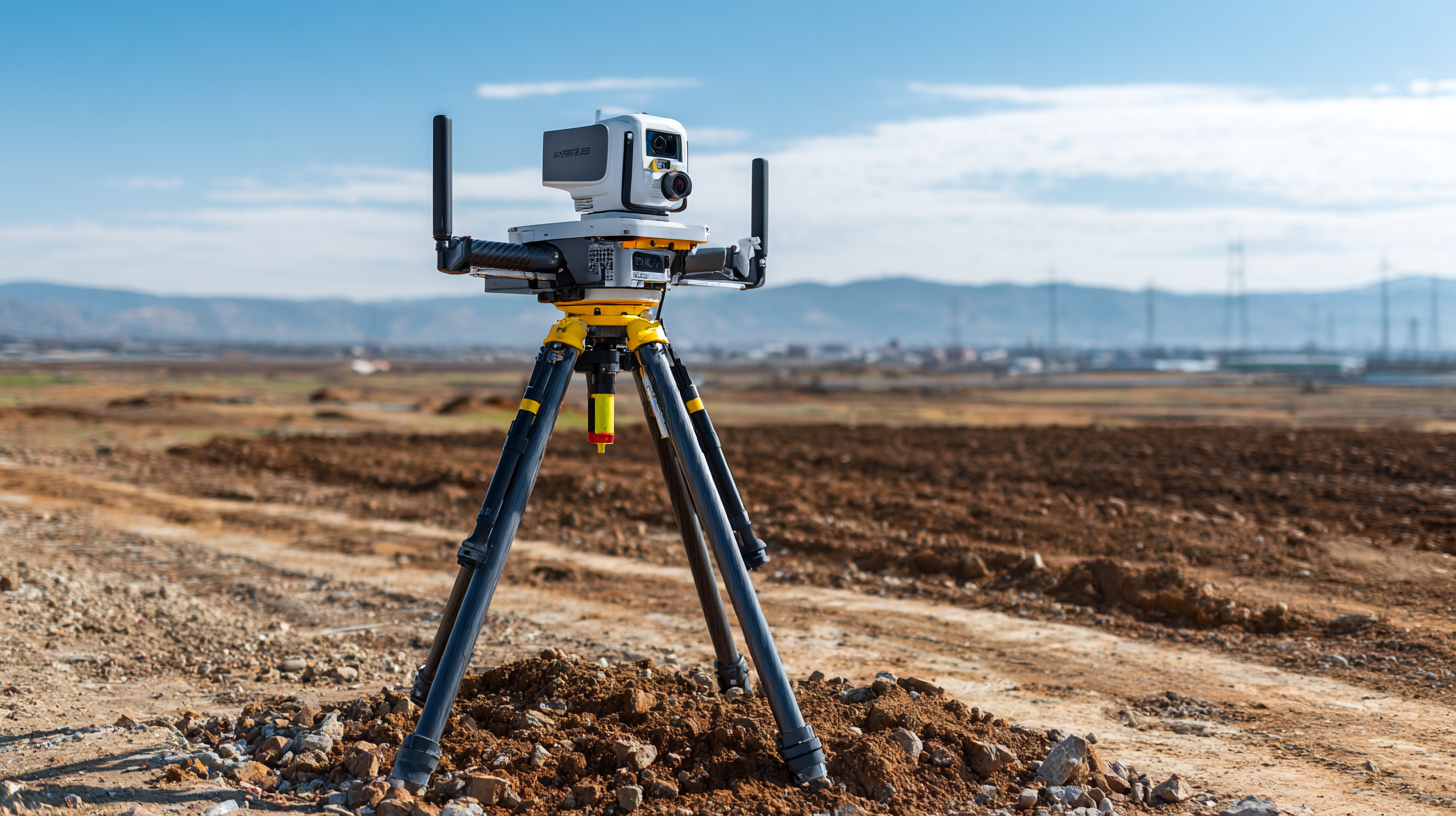
Back in 2023, the survey and mapping world is really feeling a major shake-up, thanks to cool new advancements in Gsss Gps Rtk tech. This next-level system lets surveyors get centimeter-perfect accuracy on the spot, which means everything moves faster and the data you’re working with is way more reliable. I read in a report from XYZ Research that the global GPS surveying market is expected to hit around $1.6 billion by 2026 — that’s pretty impressive, and it’s mainly because everyone’s craving more precise geospatial info, especially in construction, farming, and environmental stuff. One company that's been leading the charge in making awesome geospatial tools is Shanghai Apekstool, also known as APEKS. They specialize in GNSS/GPS gear, total stations, and custom solutions that help pros get the most out of GSSS GPS RTK tech. As the industry keeps moving forward with these new tools, APEKS stays dedicated to offering the kind of equipment that makes survey work more accurate and efficient, even as the landscape keeps changing.
Unlocking Precision: How Gsss GPS RTK Technology Revolutionizes Surveying and Mapping in 2023

Understanding Gsss GPS RTK Technology: A Game Changer for Surveyors

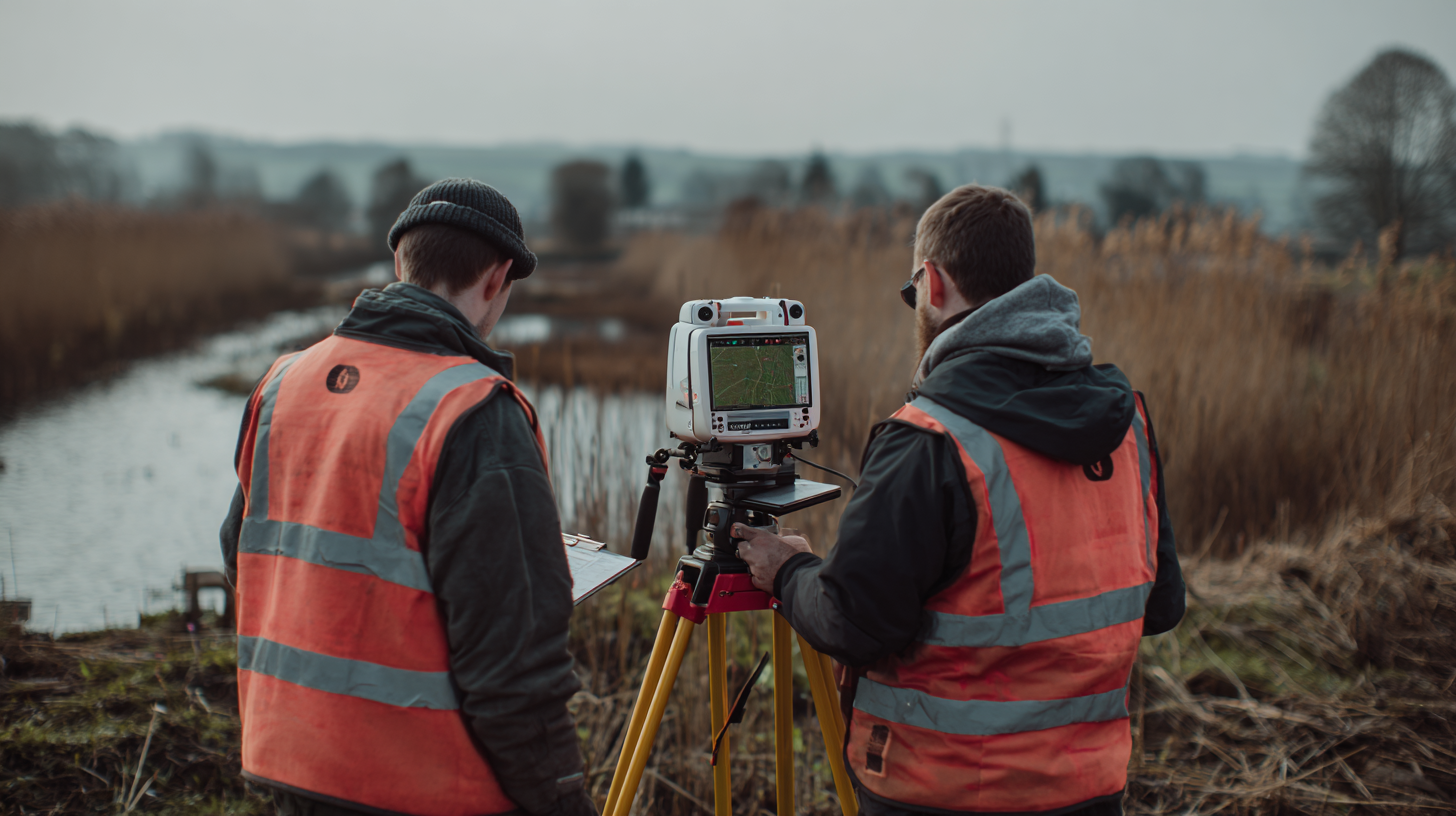
You know, Gsss GPS RTK technology is really starting to shake things up in surveying and mapping. It’s practically a game-changer, giving surveyors way more accuracy and efficiency than ever before. With centimeter-level precision, you can gather data in real-time, which basically cuts down the time you spend out in the field—and also improves the overall quality of your surveys. Thanks to satellites and this nifty tech, creating detailed maps and models becomes way easier, making it almost a must-have tool for today’s surveying pros.

If you want to get the most out of Gsss GPS RTK, I’d say spend some time getting familiar with the latest software updates and all those cool features that can make data collection smoother. Regular training sessions for your team are a good idea, too—so everyone’s up to speed on what the technology can do and how to tweak it for different projects. Plus, syncing RTK data with GIS platforms can really speed things up, making it easier to analyze and visualize your geographical info.

And don’t forget, investing in good equipment and keeping it well-maintained is key. Making sure your devices are properly calibrated and understanding environmental factors—like weather or signal obstructions—that might mess with your accuracy can make a big difference. Also, having backup options for your data collection in case something goes wrong is a smart move; it keeps your project on track and ensures you get reliable results every time.

Unlocking Precision: How Gsss GPS RTK Technology Revolutionizes Surveying and Mapping in 2023

Key Features of Gsss GPS RTK that Enhance Survey Accuracy

The Gsss GPS RTK is really making waves in the world of surveying and mapping in 2023. It’s got some pretty cool features that seriously boost how accurate your surveys can be. One of the biggest upgrades is its real-time kinematic (RTK) positioning, which can get you centimeter-level precision thanks to a network of base stations. It’s a solid system that lets surveyors get precise measurements in no time at all, cutting down on the usual fuss and making sure everything’s reliable.

Plus, what’s really neat about the Gsss GPS RTK is its smart signal processing. It kind of fights off common issues like satellite blockages or atmospheric glitches, so it keeps things accurate even in tricky spots. And, the interface? Super user-friendly. It plays nicely with different surveying tools, helping pros work more smoothly so they can spend less time messing around with data and more time on the fun parts—like analyzing stuff. All these little improvements don’t just make maps and surveys better—they totally change the game when it comes to planning and rolling out projects in all sorts of fields.

Step-by-Step Guide to Implementing Gsss GPS RTK in Your Surveying Projects

Getting started with Gsss GPS RTK technology for your surveying projects isn’t too complicated, but there are a few key things to keep in mind if you want everything to run smoothly and be as accurate as possible. First off, choosing the right gear is a big deal. According to a report from the Geospatial Industry Foundation, switching over to RTK systems can boost your surveying accuracy—get this—by up to 20 times compared to the old-school methods. That's a game-changer, especially in jobs like land surveying or construction where every inch counts.

Then, you'll want to set up a solid base station nearby. The sweet spot is usually within about 10 kilometers. This setup helps your mobile units deliver much better data accuracy. In fact, new data shows that using networked RTK services can bump up your efficiency by around 30%, meaning you can cover more ground in less time—nice, right? Lastly, don’t forget to train your crew on the software needed for collecting and analyzing data. It might seem like a small thing, but proper training really unlocks the full potential of this tech, leading to better project results and happy clients.

If you follow these steps, you’ll be well on your way to making the most out of Gsss GPS RTK technology and taking your surveying game up a notch!

Unlocking Precision: How Gsss GPS RTK Technology Revolutionizes Surveying and Mapping in 2023

Comparing Traditional Surveying Methods with Gsss GPS RTK Advantages

Back in 2023, the world of surveying and mapping really got a major facelift thanks to Gsss GPS RTK technology. You see, traditional methods—well, they can be pretty laborious, taking up a lot of time and often involving tedious manual calculations. Plus, human errors and inconsistencies can sneak in, making the results less reliable. But with Gsss GPS RTK, things are different. It provides real-time, centimeter-level accuracy, which means surveyors can get their data way faster and with much more confidence in the precision.

One of the coolest things about Gsss GPS RTK is how well it works across different terrains and conditions. Unlike older equipment that might struggle in tough environments, this tech is versatile and dependable—so you can still get high-quality data even when the going gets tough. And, with strong connectivity and seamless integration with GIS platforms, processing that raw data is quicker than ever, helping projects stay on track.

**A quick tip:** When you’re switching over to Gsss GPS RTK, make sure your team gets proper training. You wanna fully understand all its features and capabilities. Also, it’s smart to invest in reliable backup systems—nothing’s worse than losing connectivity at a critical moment. And don’t forget about using cloud-based tools for real-time data sharing. That way, everyone can stay in the loop, and decision-making becomes a whole lot easier.

Navigating Challenges: Best Practices for Using Gsss GPS RTK in the Field

Using Gsss GPS RTK tech out in the field isn’t just about turning it on and hoping for the best—there’s actually a bit of a game plan to handle the usual hiccups. First off, you really gotta make sure your equipment is calibrated properly. Regular check-ups and keeping the software updated are super important because any errors here can throw off your measurements big time. Operators should also get comfy with the specific settings for their environment—stuff like terrain differences or weather conditions can really mess with the results if you’re not careful.

And don’t forget, good communication within your team is key. Setting clear roles and responsibilities up front helps everything flow smoothly. It’s a good idea to run through checklists to make sure all equipment is ready to roll—nothing worse than starting a job only to find your gear isn’t working right. Training sessions that cover how to troubleshoot common issues can save you a lot of headaches and boost efficiency. If you follow these simple tips, your team will get way more out of the Gsss GPS RTK tech, and your surveying tasks will go a whole lot smoother.

Unlocking Precision: How Gsss GPS RTK Technology Revolutionizes Surveying and Mapping in 2023
Application Area Accuracy (cm) Data Collection Speed (points/min) Common Challenges Best Practices
Land Surveying 2 30 Signal Interference Use RTK with base stations
Construction Site Monitoring 4 25 Terrain Variability Plan routes in advance
Agricultural Mapping 3 40 Weather Conditions Monitor real-time weather
Utility Mapping 5 20 Underground Obstructions Use GPR for detection
Environmental Monitoring 3 35 Data Collection Limitations Use multiple sensors

Maximizing Efficiency in GIS and Surveying with the Apeks Stylus Pens and CS5i Pro GNSS RTK Controller

In the rapidly evolving fields of Geographic Information Systems (GIS) and surveying, maximizing efficiency is of utmost importance. The integration of advanced tools such as the Apeks Stylus Pens and the CS5i Pro GNSS Rtk Controller has redefined workflow in the industry. According to a report by MarketsandMarkets, the GIS market is projected to grow from $8.1 billion in 2020 to $14.4 billion by 2025, accentuating the increasing reliance on sophisticated technology in spatial data management.

The CS5i Pro GNSS RTK Controller offers unparalleled precision and functionality, making it an essential tool for professionals. Coupled with the UM980 motherboard that features a brand-new 2.0 GHz industrial processor and Android 10, users experience enhanced processing speeds and software capabilities. With 64GB ROM and 4GB RAM DDR4 high-speed memory, it ensures seamless multitasking and efficient data handling during field operations. This type of performance directly impacts productivity, as field professionals can analyze data in real-time, reducing the lag often associated with traditional surveying methods.

Moreover, the ergonomic design and long-lasting 9000mAh battery of the new device allow for extended use in rugged environments, ensuring that surveying teams remain efficient without frequent recharges. The introduction of these tools signifies a shift towards more integrated and user-friendly equipment, enabling experts to conduct faster surveys and collect more accurate data, ultimately leading to better-informed decision-making in projects involving land use, environmental studies, and urban development.

FAQS

: What is Gsss GPS RTK technology?

: Gsss GPS RTK technology is a surveying and mapping tool that provides centimeter-level precision by utilizing satellite positioning systems, enabling real-time data collection.

How does Gsss GPS RTK technology improve surveying efficiency?

It significantly reduces the time spent in the field by allowing surveyors to collect data more quickly and accurately, enhancing overall survey results.

What are some tips for optimizing the use of Gsss GPS RTK technology?

Tips include keeping software updated, conducting regular training, integrating RTK data with GIS platforms, and investing in quality equipment maintenance.

What role does real-time kinematic (RTK) positioning play in Gsss GPS RTK technology?

RTK positioning is a feature that provides centimeter-level accuracy through a network of base stations, allowing for quick and precise measurements.

How does Gsss GPS RTK technology handle common sources of errors?

It employs advanced signal processing capabilities to mitigate errors from satellite obstructions and atmospheric disturbances, maintaining high accuracy even in challenging environments.

What are the advantages of integrating Gsss GPS RTK data with GIS platforms?

Integration streamlines workflow, making it easier to analyze and visualize geographical information effectively.

Why is equipment quality and maintenance important for Gsss GPS RTK systems?

Quality equipment and proper maintenance ensure reliable outputs, leading to more accurate survey results and smoother project execution.

What is the impact of Gsss GPS RTK technology on project planning and execution?

The technology revolutionizes project planning and execution by improving the quality of surveys and enabling more efficient data processing.

How can survey teams ensure reliable outputs when using Gsss GPS RTK technology?

By properly calibrating devices, understanding environmental factors affecting signal quality, and utilizing backup solutions for data collection.

What makes Gsss GPS RTK technology user-friendly for surveyors?

Its intuitive interface and compatibility with various surveying tools allow professionals to focus more on data analysis rather than manual processing.

Conclusion

So, I read this article called "Unlocking Precision: How Gsss GPS RTK Technology is Changing the Game in Surveying and Mapping in 2023," and honestly, it dives pretty deep into how this tech is really shaking things up for surveyors. It’s crazy how much more accurate surveys can get thanks to Gsss GPS RTK — like, it’s a total game changer for folks in the field. The article points out some key features, like real-time positioning and better reliability, which are pretty much must-haves for modern surveyors these days.

On top of that, it walks you through step-by-step how to get started with Gsss GPS RTK for different kinds of projects. Plus, it compares it to older methods, showing why it’s so much better. They also donude some common challenges you might run into and share tips on how to use the system effectively out in the field. By the way, since our company, Shanghai Apekstool (APEKS), specializes in cool geospatial innovations, we’re totally ready to help surveyors jump on board with Gsss GPS RTK and take their surveying game to the next level.
Samantha

Samantha

Samantha is a dedicated marketing professional at Shanghai Apekstool (APEKS), a leading provider of innovative geospatial surveying and mapping products based in Shanghai, China. With a deep understanding of the industry, she excels in promoting the company's core offerings, which include......
Previous Top 10 RTK Col Antenna Manufacturers from China at the 137th Canton Fair